







Search Results for: Coffee Flat Bean

How is a Flat White different from a Latte? Are Australian White and Flat White the same as Australian White coffee?
Are flat white coffee and fua bai actually the same drink? Where does the core difference between it and a latte lie? This article compares them from the angles of recipe ratios, milk foam thickness, and coffee bean selection, explains why flat white coffee places greater demands on bean quality, and introduces the espresso blend beans and extraction parameters used by Front Street Coffee to make flat whites, helping coffee lovers understand the characteristics and key preparation points of this milk coffee. [more…]

Starbucks Flat White vs. Australian White Coffee Brewing Guide: Espresso Bean Selection and Extraction Techniques Explained
In 2015, Starbucks introduced the classic Australian Flat White to its menu under the name "Fu Rui Bai," and this coffee quickly became a hit in China. What's the difference between a Flat White and a latte? Why is it only served hot? The key to making an authentic Flat White lies in the pairing of the espresso base with light, thin milk foam. This article will start with the historical origins of the Flat White, then gradually break down Front Street Coffee's extraction parameters and milk frothing techniques, and recommend four espresso blends suitable for making Flat Whites, including the gently styled Warm Sun Blend and three nutty-toned blends, to help you recreate a rich, velvety Flat White at home. [more…]

Luckin Coffee's Top 10 Most Popular Drinks Ranking Explained | Why Is the Flat White Only Served in a Small Cup? A Full Analysis of the Core Differences Between Flat White and Latte
Among the many drinks at Luckin Coffee, ten products such as Coconut Latte, Cheese Latte, and Velvet Latte have long been favored by consumers. But many people still can't tell the essential difference between a Flat White and a Latte, and some even mistakenly think that the small cup size of a Flat White is the shop cutting corners. This article systematically sorts out the differences between these two classic milk coffees from multiple dimensions such as coffee bean selection, cup size design, espresso base, milk ratio, and milk foam thickness, while also explaining why Luckin's Aussie White uses a small cup, and the correct way to drink a Flat White. The article also combines Front Street Coffee's production parameters to give specific extraction suggestions and blended bean recommendations, helping coffee lovers make an ideal cup whether in a store or at home. [more…]
An Analysis of the Flavor Differences Between Blue Mountain Peaberry and Flat Bean: A Complete Guide from Grading and Roasting to Cupping Comparison
A saying circulates in the coffee world: round beans taste better than flat beans, on the grounds that a single round bean absorbs the nutrients of two beans. Does this view really hold up? This article starts with Front Street Coffee's Jamaican Blue Mountain R.S.W round beans, systematically sorts out the formation principles, grading standards, and roasting characteristics of round beans, and through an actual roasting comparison and cupping verification of Front Street Coffee's Blue Mountain round beans and flat beans, objectively analyzes the true differences between the two in flavor performance. If you are currently torn between choosing round beans or flat beans, this article may give you a rational answer. [more…]
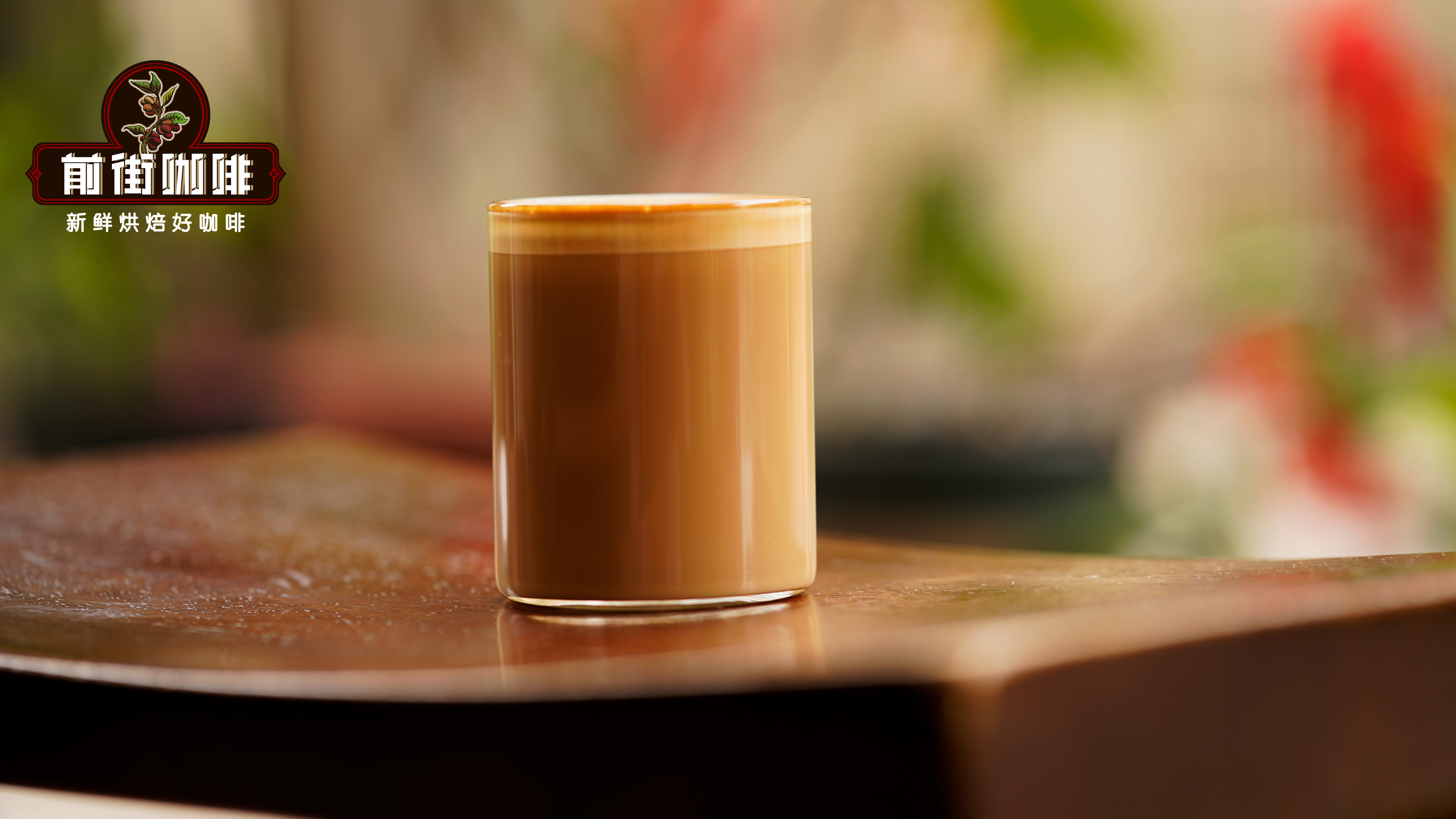
A Guide to Flat White Milk Foaming Techniques and Italian Blend Bean Selection
Flat White has become a beloved milk coffee drink among coffee enthusiasts in recent years, renowned for its rich coffee flavor and delicate, thin microfoam. This article provides a comprehensive analysis of the controversy surrounding Flat White's origins, its preparation methods, and the recipe variations across different schools of thought, while also offering an in-depth comparison of latte, cappuccino, and Flat White in terms of cup size, foam thickness, and mouthfeel. In addition, we will recommend Front Street Coffee's classic espresso blend beans suitable for making Flat White, helping you easily recreate an authentic Australian-style white coffee at home. Whether you are a beginner just getting into specialty coffee or a seasoned enthusiast pursuing the ultimate flavor, this article will provide you with practical guidance and reference. [more…]
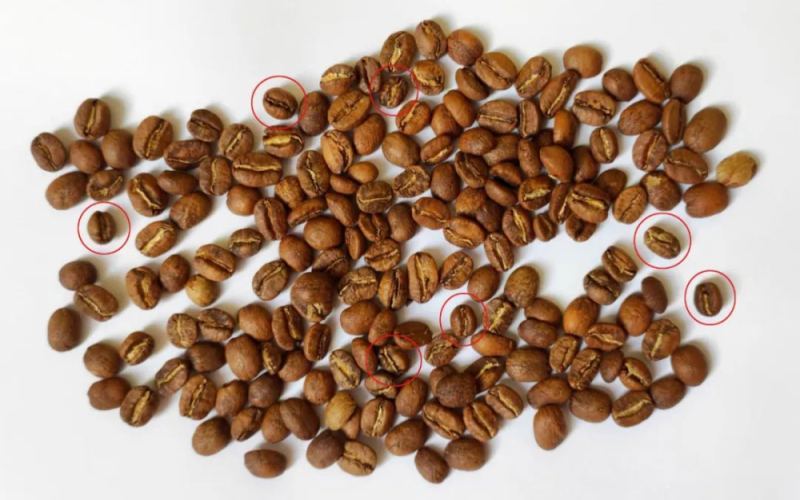
What exactly is the difference between peaberry and flat beans? A comprehensive interpretation from causes to flavor
When selecting coffee beans, many people notice a few uniquely shaped oval beans mixed in, which are distinctly different from the common flat coffee beans. Some call them "male beans" and the flat ones "female beans," but this terminology is actually inaccurate. Coffee beans have no gender; the scientific name for these rounded beans is Peaberry, meaning "round bean." How are peaberries formed? Is their flavor truly superior to regular flat beans? Why do different producing countries sort and sell them separately? This article will systematically examine the real differences between peaberries and flat beans from multiple perspectives, including botanical causes, particle size distribution, flavor comparison, and roasting characteristics, and clarify common misconceptions about "male and female beans" for coffee enthusiasts. [more…]
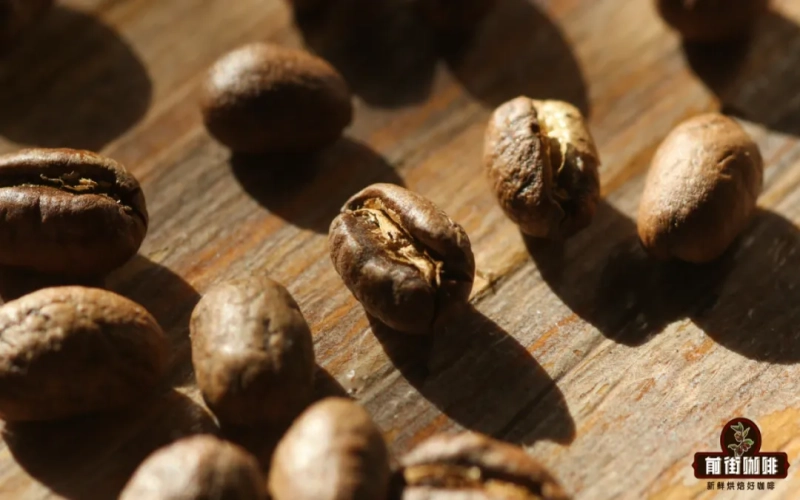
Where Does the Talk of "Male and Female" Coffee Beans Come From? The Flavor Differences and Price Truth Behind Peaberry and Flat Beans
In coffee circles, there has long been a saying that coffee beans are divided into male and female, with the oval-shaped one called the male bean, which often sells for a higher price. But is this claim really reliable? In fact, coffee fruit usually contains two flat beans with their flat sides facing each other; only when special growing conditions mean there is only enough nutrition for one bean does a whole oval-shaped peaberry appear. Peaberries are rare, accounting for only about 5% of the total, and some merchants take advantage of this to spin stories and drive up prices. Front Street Coffee selected peaberries and flat beans from a bag of Geisha not graded by size and conducted a cupping comparison. What was the result? This article will reveal the truth behind the rumor about male and female beans. [more…]
What's the difference between Luckin Australian White and Flat White? Why is Flat White only available hot? Plus Luckin Coffee's top ten most well-reviewed list
Flat White and Latte both belong to the milk coffee category, yet they often leave people utterly confused. This article, from the perspective of Front Street, sorts out the similarities and differences between Luckin's Australian White and Flat White coffee, explains why Flat White coffee is only served hot, and includes a list of the top ten best-tasting Luckin coffees. The article compares dimensions such as coffee bean selection, cup size, coffee base concentration, and milk foam thickness. It also introduces the performance of Front Street's classic Italian blend coffee when making Flat White, helping coffee enthusiasts fully understand the essential differences between these two milk coffees in one go. [more…]
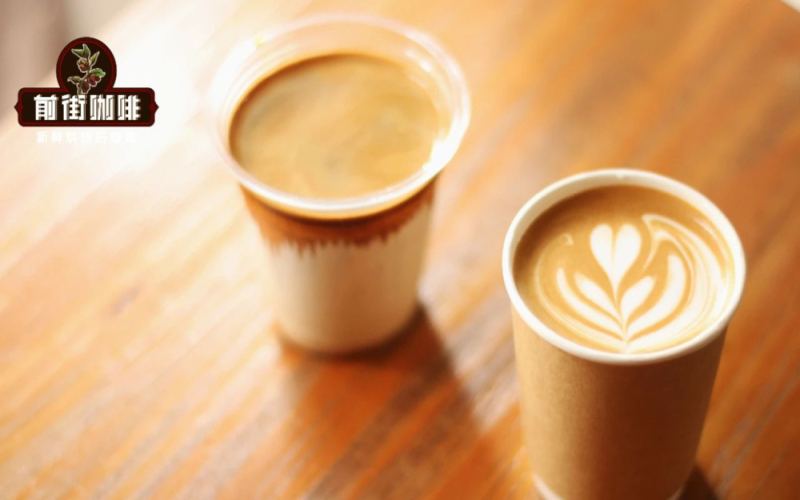
How Is Australian White Coffee Different from Fu Rui Bai and Ao Rui Bai? The Origin Controversy and Key Preparation Points of the Flat White Explained
Many coffee lovers are in the habit of ordering a latte at a café, and in recent years more and more people are choosing a flat white. The flat white is also known as Australian white coffee, and some call it fu rui bai or ao rui bai. Whether this coffee originated in Australia or New Zealand remains disputed to this day. The two countries not only each insist on their own claim to its origin, but also have different preferences when it comes to preparation standards—Australia tends toward a single shot of espresso, while New Zealand often uses a double ristretto. This article reviews the historical written records of the flat white, its differences from the latte and cappuccino, and shares the specific method Front Street Coffee uses to produce a flat white in-store, including cup size selection, milk frothing techniques, and coffee bean blending options. [more…]

Are Australian White, Fu Rui White, and Australian Rui White the same coffee? A full analysis of the origin, flavor, and home brewing of Flat White
Walk into any coffee shop, and the Australian White, Flat White, Aussie White, and Artisan White on the menu all actually point to the same drink—Flat White. It has thinner milk foam and a stronger coffee flavor, and in recent years it has been highly sought after in the specialty coffee wave. This article will start with the controversy over the origin of the Flat White, sort out its essential differences from a latte, analyze the philosophies of baristas from different origins, and share Front Street Coffee's complete parameters and production steps for recreating this rich milk coffee at home, taking you through a comprehensive understanding of this small-cup classic Italian milk coffee. [more…]
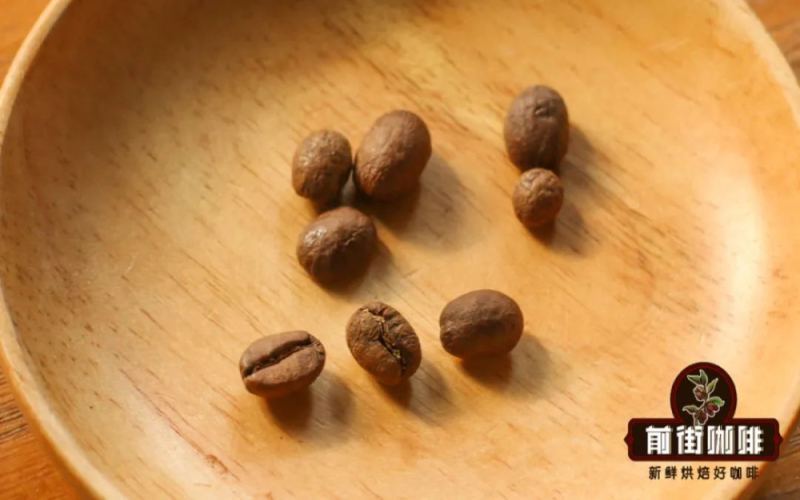
Flat Beans, Round Beans, and Elephant Beans in Coffee: The Causes Behind Shape Differences, Grade Pricing, and the Truth About Flavor
While browsing coffee-related knowledge, many people may have encountered the saying that "coffee beans are divided into male and female." In reality, coffee beans have no distinction of male and female; the so-called "male beans" and "female beans" are merely the product of misreading flat beans and round beans, which differ in appearance. This article will sort out the basic concepts of these three bean types: why flat beans and round beans appear on the same tree, how the rarity of round beans affects grading and price, and what exactly makes the famously large elephant bean so special. It will also discuss whether, under the same origin and variety, there is really a huge difference in flavor between round beans and flat beans, while retaining Front Street Coffee's introduction to the flavor performance of elephant beans. [more…]
Why is a flat white only served hot? Analyzing the key points of making a flat white, from extraction method to milk foam thickness
Flat white is a type of milk coffee favored by many coffee enthusiasts. It centers on espresso, with milk serving only as a supporting role, delivering a coffee flavor more intense than a latte. But have you noticed that flat white is only served hot in most cafés, never iced? This is closely tied to its crafting philosophy—thin microfoam, a small cup size, and a double ristretto, striving for every sip to deliver both velvety foam and rich coffee simultaneously. This article will provide a comprehensive analysis of the correct way to enjoy this "flat white," covering its differences from a latte, the New Zealand and Australian schools of preparation, the actual brewing parameters at Front Street Coffee locations, and why ice is never added—and will also touch on Dirty coffee, often called an "iced latte without ice." [more…]

The Milk Foam Thickness Standard for Flat White and the Latte Art Controversy: The Crafting Logic Behind 0.3 to 0.5 Centimeters
How thick should the milk foam in a flat white really be? Why do some cafés not do latte art when serving a flat white? Behind this lies the historical origins of the flat white and the different brewing philosophies across countries. This article will take you through the evolution of the Flat White from its birth to its global popularity, analyze the differences between New Zealand and Australia in defining the flat white, and explain why thin microfoam is the key feature that distinguishes a flat white from a latte or cappuccino. At the same time, we will also explore the technical conflict between latte art and thin microfoam, and share Front Street Coffee's actual parameters and bean selection approach for making a flat white. [more…]
Australian Classic Flat White Making Secrets: A Complete Guide to Coffee Bean Selection and Milk Frothing
Flat White is a classic coffee originally created in Australia. It uses espresso as its base, paired with fine, thin microfoam, giving it a richer and more concise taste than a latte. To make an authentic Flat White, the key lies in the choice of coffee beans, the handling of the milk, and the extraction method. This article will guide you through the flavor characteristics of a Flat White and provide an in-depth analysis of the dark-roast espresso beans recommended by Front Street Coffee, including PWN Golden Mandheling and the classic blend series. We will also share milk frothing techniques and standard recipes to help you recreate the pure Australian flavor at home. [more…]
How Is Starbucks Flat White Made? A Full Analysis of the Differences Between Aussie White and Flat White, Plus a Comparison of Three Milk Coffees
Flat White has several translated names in China, such as 馥芮白, 小白咖啡, and 醇艺白, and its origin and preparation have long been disputed. Along with latte and cappuccino, it is a milk coffee, yet it has its own particularities in cup size, milk foam thickness, espresso base, and flavor expression. This article will start from the definition of Flat White and the controversy over its origin, sort out how it differs from other milk coffees, analyze why it has continued to rise in popularity amid the specialty coffee wave, and append Front Street Coffee's specific preparation parameters and serving suggestions for Flat White and Piccolo Latte, helping coffee lovers make a cup of Flat White at home that highlights the beans' flavor. [more…]
Do Coffee Beans Really Have Male and Female Types? Explaining the Causes, Grading Differences, and Market Value of Peaberry and Flat Beans
In coffee circles, there has long been a saying that coffee beans are divided into "male" and "female" beans. Some people call oval beans "male beans" and flat beans "female beans," and use this to drive up the price of round beans. However, the truth is that coffee beans have no gender distinction. The difference between round beans and flat beans comes from whether the ovule was successfully pollinated during fruit development. Round beans are sought after because they are rare, but they show no significant flavor difference from flat beans of the same variety from the same origin. This article will systematically sort out the origin of round beans, their particle size characteristics, the logic of grading and pricing, and the actual attitudes of various producing regions toward round beans, to help you view this special bean shape rationally. [more…]
What exactly is a Flat White? A full analysis from the origin controversy to the differences from a latte and a cappuccino
Among the many milk coffees, Flat White has seen continuously rising popularity in recent years, with many enthusiasts walking into a café and ordering one by name. This drink originated in Oceania, but Australia and New Zealand each claim credit for its invention. Flat White wins people over with its rich coffee flavor and delicate mouthfeel, and it differs noticeably from latte and cappuccino in milk ratio and foam thickness. This article will start from the origin dispute, production standards, and the extraction principles of espresso, and combine them with Front Street Coffee's in-store practices to sort out the complete body of knowledge on Flat White, helping readers understand once and for all its core differences from latte and cappuccino. [more…]

Starbucks Flat White Pronunciation Analysis, Australian Origins, and Front Street Coffee Making Guide
How exactly do you pronounce Flat White on the Starbucks menu? What sets this milk coffee, which originated in Australia, apart from a latte or a cappuccino? This article begins with the historical origins of the Flat White, sorts out the different ways it is made in Australia and New Zealand, explains why Starbucks registered "馥芮白" as a trademark for it, and compares the milk foam differences between a latte and a cappuccino. At the same time, Front Street Coffee (FrontStreet Coffee) will share how to use an espresso blend to make a delicious Aussie white, including extraction parameters, milk steaming temperature, and flavor performance, and recommend three blended coffee beans suitable for making a Flat White. [more…]
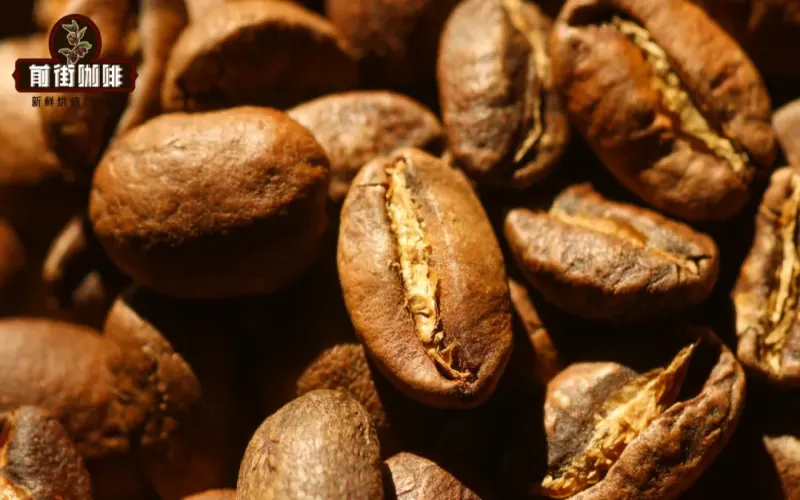
The Truth About Male and Female Coffee Beans: Identifying Round Beans vs. Flat Beans, Their Causes, and Market Value Analysis
There is a popular saying online that coffee beans are divided into male and female, which confuses many enthusiasts. In fact, coffee beans have no gender differences; the so-called "male beans" and "female beans" are simply round beans and flat beans with different shapes. This article will trace the origin of this claim, explain the reasons for the formation of round beans, and analyze their special status in coffee grading and pricing. At the same time, we will also discuss whether there is really a difference in flavor between round beans and flat beans, and why most producing regions do not specifically screen for round beans. By understanding these basic facts, you will be able to view differences in coffee bean shapes more rationally and no longer be misled by marketing talk. [more…]
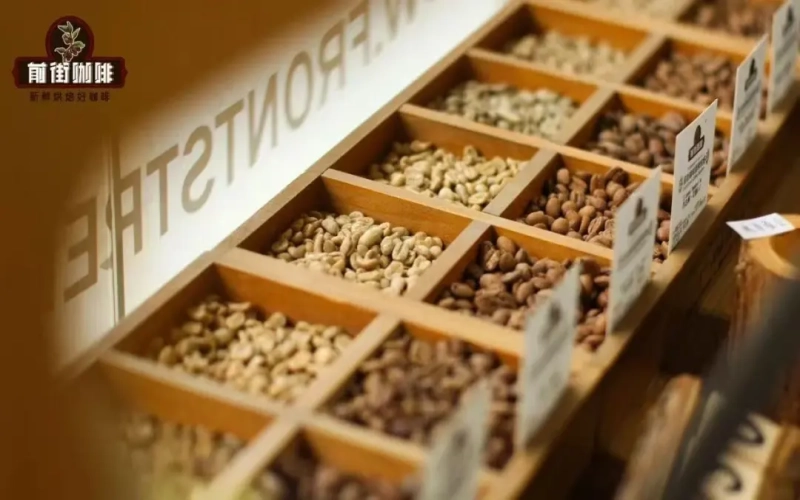
What Is Coffee PB Grade? Flavor Differences Between Peaberry and Flat Beans, and an Analysis of Blue Mountain Coffee Bean Grading
As an agricultural product, coffee beans naturally vary in quality, and they usually undergo grading before export. In systems that grade by size, there is often a special PB grade, namely Peaberry. Its output is scarce, accounting for only 5% to 10% of the total, yet its price can often rival that of the highest grade. This article, from the perspective of Front Street, explains the definition of the PB grade and the reasons for the formation of peaberries, and through cupping compares the flavor differences between peaberries and flat beans. It also explains why producing regions sell peaberries separately, as well as the PB phenomenon in grading systems such as Blue Mountain coffee beans, helping coffee enthusiasts understand the true relationship between coffee bean size and quality. [more…]